Heat Pumps
Efficient Comfort, Lower Bills.
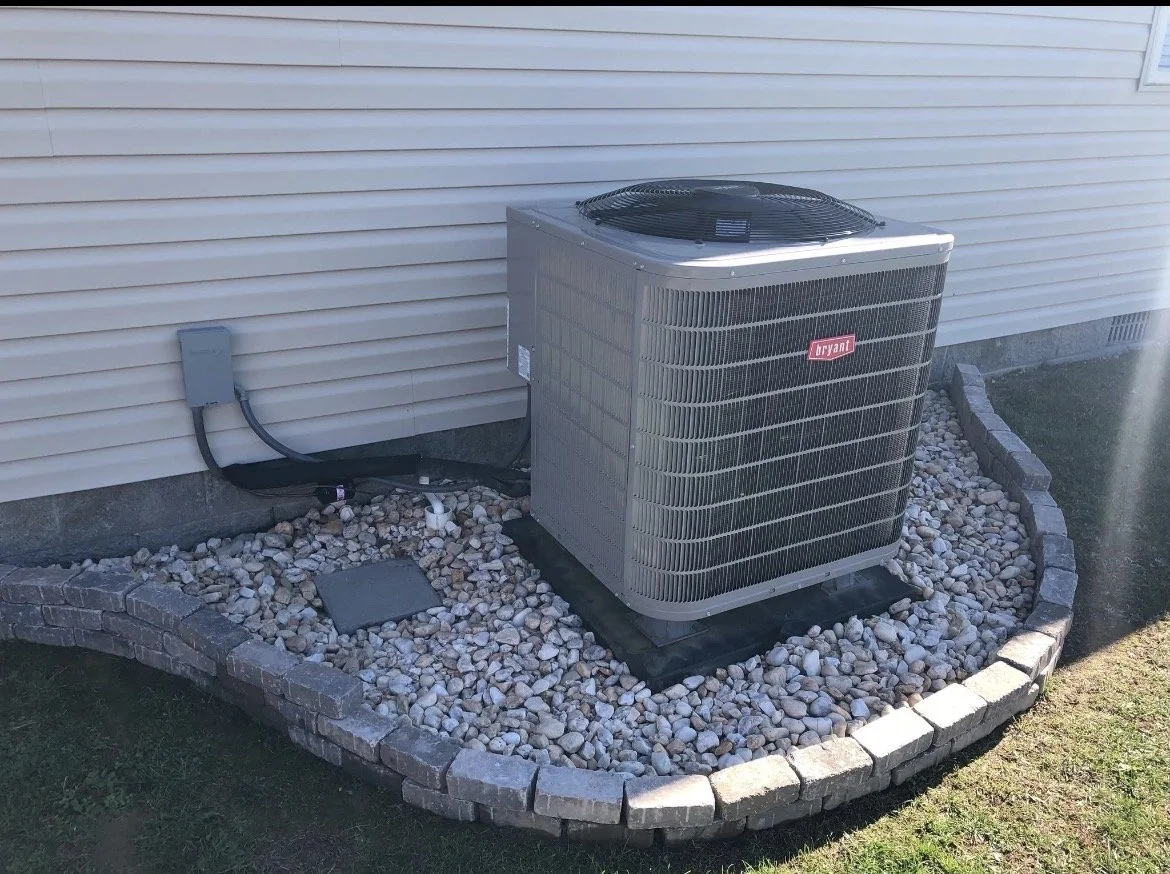
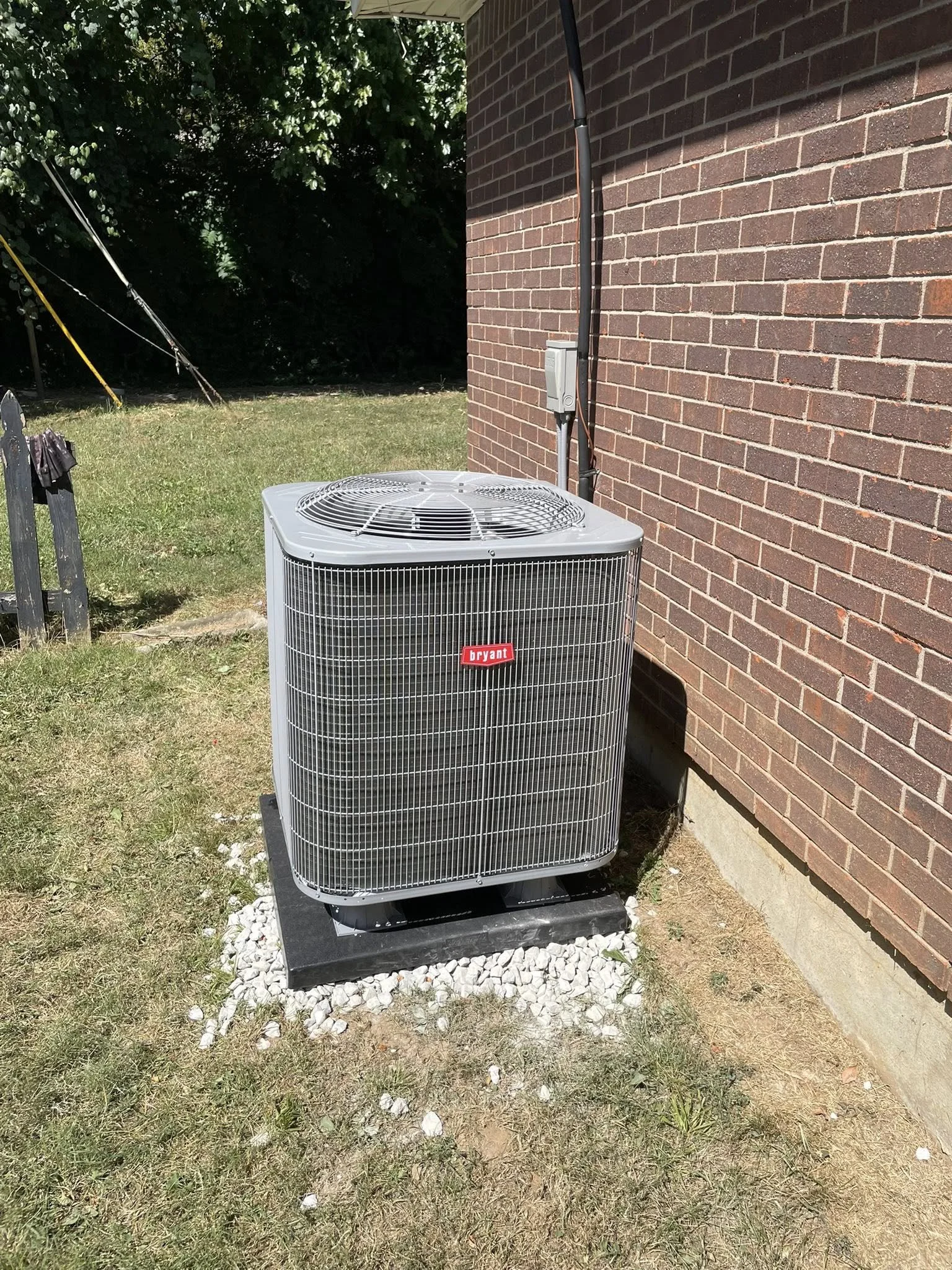
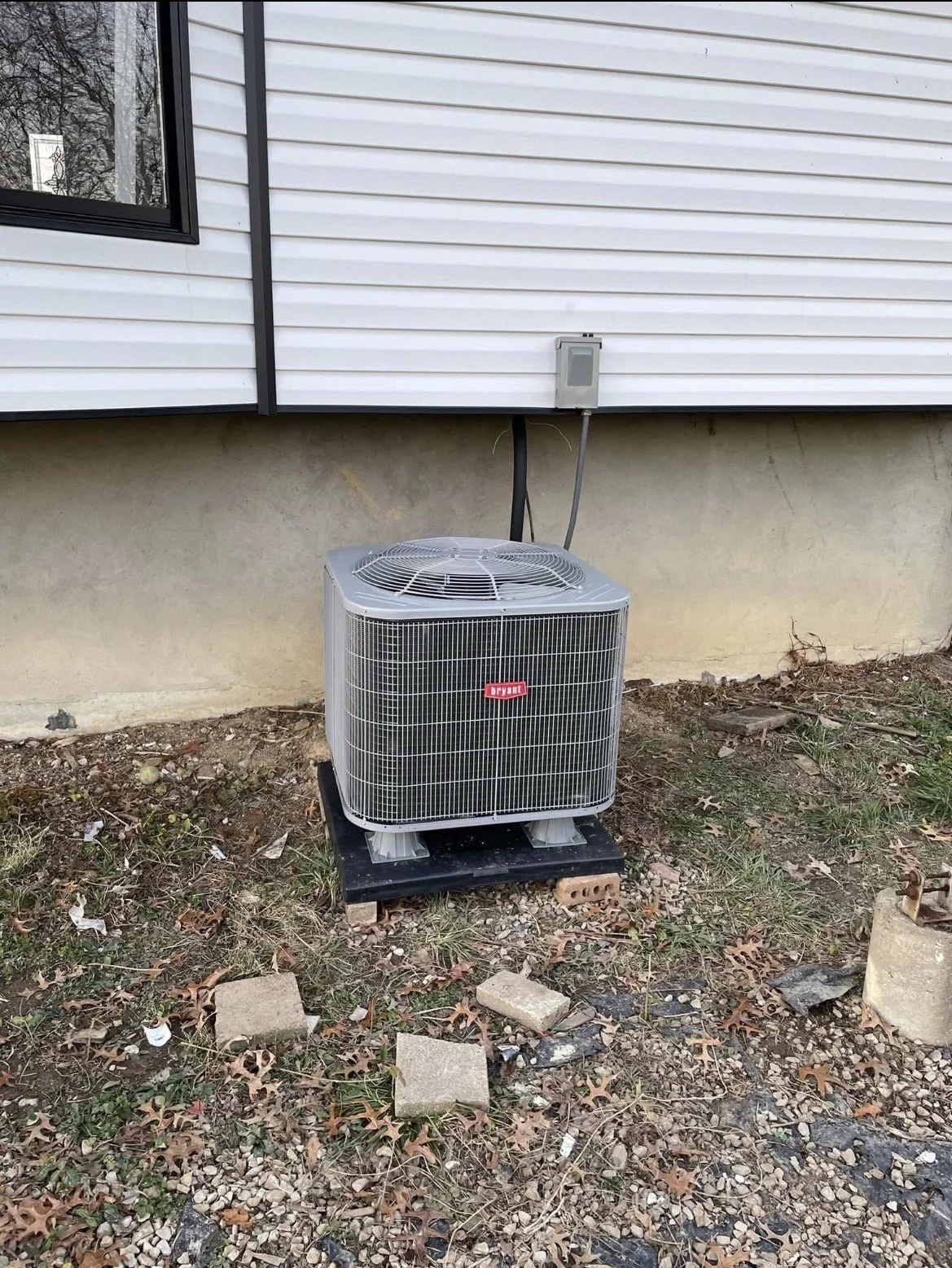
A heat pump keeps energy costs down by moving heat instead of creating it, which makes it far more efficient than traditional systems. It runs in smooth, steady cycles that keep your home consistently comfortable without wasting power. Because it handles both heating and cooling in one unit, homeowners get year‑round comfort with lower monthly bills.
Balanced Comfort Without Temperature Swings
Many homeowners notice that traditional systems struggle to keep temperatures consistent, especially during seasonal transitions. Rooms can feel too warm one moment and too cool the next as systems cycle aggressively to keep up. Heat pumps solve this by transferring heat gradually instead of generating it in bursts, allowing for smooth, steady comfort throughout the home. By adjusting output based on real-time demand, a properly sized heat pump reduces temperature swings, improves airflow consistency, and creates a more even living environment. The result is quieter operation, fewer hot or cold spots, and a home that stays comfortable without constant adjustments to the thermostat.
Year-Round Heating and Cooling From One System
Managing separate systems for heating and cooling often leads to higher maintenance costs, uneven performance, and unnecessary complexity. A heat pump simplifies home comfort by handling both functions within a single, integrated system. During warmer months, it efficiently removes heat from inside your home, while in colder months it draws warmth from the outdoor air and brings it indoors. This dual-purpose operation allows homeowners to maintain consistent comfort across seasons without switching systems. With fewer components to manage and one system working year-round, heat pumps provide reliable performance, streamlined maintenance, and dependable comfort no matter the weather.
Cleaner Operation With Long-Term Efficiency in Mind
Because heat pumps operate without combustion, they eliminate concerns associated with fuel-burning systems such as exhaust gases or fluctuating burner efficiency. Instead, they rely on electrically powered heat transfer, making them a cleaner option for modern homes focused on efficiency and sustainability. Over time, this design places less stress on internal components, helping systems maintain performance with proper maintenance. Homeowners benefit from consistent comfort, lower operating costs, and a system designed to work efficiently in the background while supporting a healthier, more controlled indoor environment throughout the year.